Two custom packaging quotations can look as though they cover the same box while being based on different specifications, production steps or delivery scopes. Price becomes comparable only after the finished size, structure, materials, printing and finishes, insert, quantity, packing and commercial terms are aligned. This guide explains the six most common sources of variation and gives buyers a ten-point checklist for comparing quotations on the same basis.
The Short Answer: Compare the Specification Before the Price
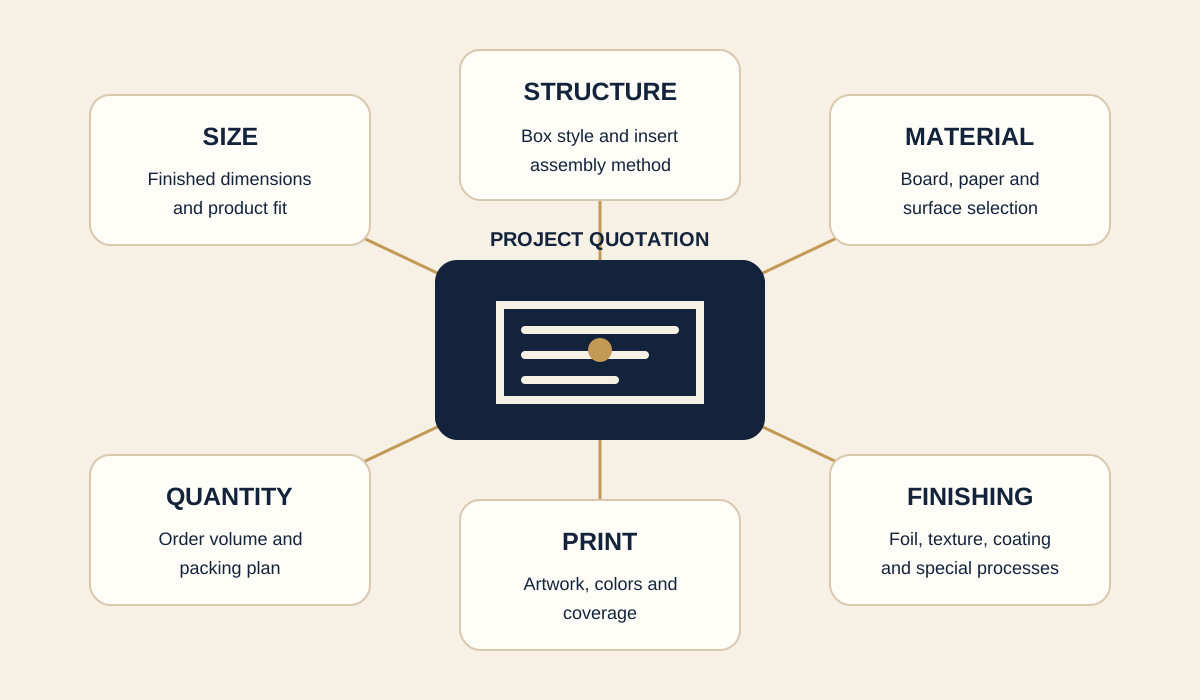
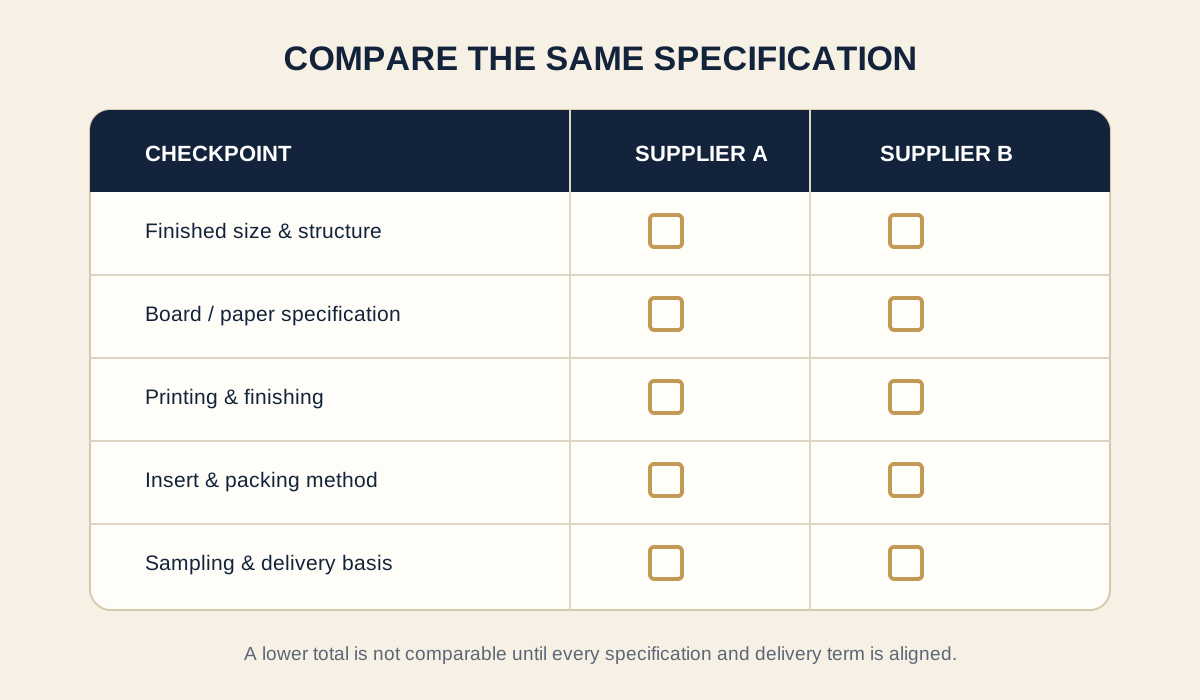
A quotation is the result of a specification, not simply a price attached to a picture. Material grade and construction, print coverage, finish locations, structural complexity, production setup, expected yield and the included delivery scope can all change the calculation. One supplier may include the fitted insert, sample, individual protection and export cartons, while another may quote the empty box ex works. A lower total is not automatically a like-for-like offer, and a higher total does not automatically prove better quality.
A quote is only comparable when the specification and included services are comparable.
1. Material Specifications Can Look Similar but Perform Differently
Paper and wrap
Two papers described with the same generic name or basis weight can still vary in shade, surface smoothness, texture, flatness, ink response and print suitability. These differences may matter when the artwork includes a large solid color, a subtle gradient, fine reverse text or a controlled brand color. A quote should identify the actual paper direction and, where appearance is important, the approved paper swatch or printed sample.
Greyboard
For rigid boxes, board thickness is only one part of the specification. Density, stiffness, flatness and moisture condition may affect forming, edge appearance and dimensional stability. That does not mean one number alone defines quality; it means the board must be considered together with box size, wrap, structure and the approved sample.
Inserts
Paperboard, corrugated board, EVA, EPE, sponge or foam, molded pulp, thermoformed trays and fabric-covered inserts involve different materials and manufacturing steps. Thickness or density, the number of cut-outs, surface covering, number of layers and product-retention requirements can change both material use and labor. Start with the product dimensions and fragile areas, then review custom packaging materials and insert options as a system.
2. The Same Finish Name Does Not Mean the Same Production Difficulty
“Foil stamping” is not a complete specification. Cost and feasibility may be affected by the stamped area, the number of separate positions, registration requirements, fine lines or small text, foil type and the surface below it. A small logo on smooth coated paper is a different task from a broad foil area crossing a textured wrap or fold.
CMYK is also only a starting point. A buyer may need a Pantone reference, a supplied brand standard, a contract proof or an approved physical sample. Repeat orders benefit from retaining the approved reference, although paper and production conditions can still influence the visible result. Spot UV, embossing, debossing and lamination should likewise be specified by location, area and intended appearance. See how we review printing and finishing options before sampling.
3. Structure and Assembly Change the Number of Production Steps
A lid-and-base rigid box may follow a different route from a magnetic book-style box, drawer box, shoulder-neck box or multi-part presentation structure. Added panels, drawers, ribbons, magnets, compartments, instruction cards and fitted inserts can require more die-cutting, wrapping, positioning, assembly and inspection. The same principle applies to folding cartons and mailers: a structure that looks similar when closed may use a different blank, closure or packing sequence.
A dieline, structural drawing or physical reference helps a supplier identify what is actually required. The product itself should be reviewed at the same time so clearance, removal access, lid closure and opening order can be sampled. Buyers considering premium formats can compare custom rigid box structures before requesting a production quotation.
4. Quantity Changes Setup Cost, Production Method and Unit Price
Plate preparation, tooling, machine setup, trial sheets and color adjustment are relatively fixed project inputs. With a smaller order, those inputs are spread across fewer units. A larger order may spread setup costs more efficiently, but it can also call for a different production method, material purchase or packing plan. Unit price therefore often falls as quantity rises, but not always by the same proportion.
For a useful comparison, ask every supplier to quote the same two or three realistic quantity breaks. A 500-piece and a 50,000-piece scenario can illustrate how setup allocation changes, but neither quantity creates a universal price rule. The approved structure, process, yield, packing and schedule still matter.
5. Material Yield and Process Waste Affect the Quote
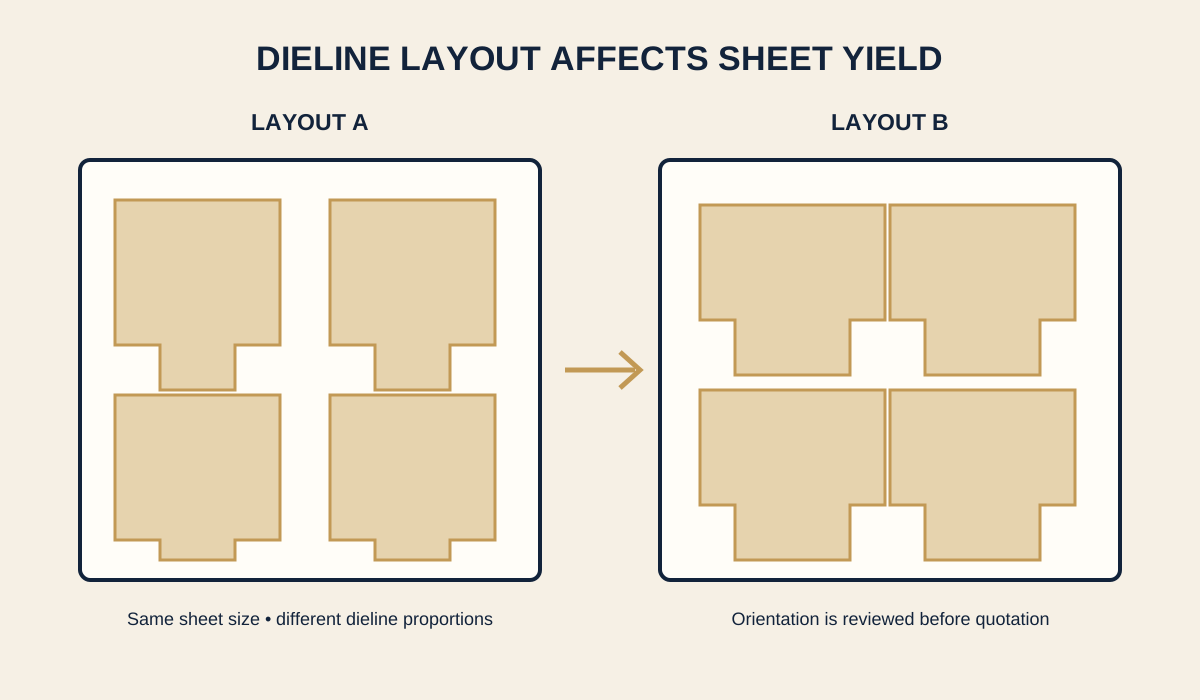
The area of the finished box is not the same as the area of paper or board that must be purchased. Printing, trimming, lamination, die-cutting, wrapping and assembly require working margins and normal process allowance. Grain direction, sheet size, bleed, gutters, the dieline and available equipment can all affect how many blanks fit on a sheet.
A change of only a few millimetres can sometimes change a layout from four blanks per sheet to three, increasing material use per finished unit. This is an illustration, not a guaranteed threshold: actual yield depends on the approved dieline, sheet size, grain direction, production margins and equipment.
6. Check What the Quote Includes—and What It Does Not
Confirm whether the offer covers the box only or also includes the insert, surface finishes, assembly, insert fitting, individual sleeves or tissue, export cartons and project-specific inspection. For overseas orders, taxes, freight and delivery terms need to be compared separately. EXW, FOB, DDP and other agreed Incoterms describe different scopes and should not be compared as though they were the same delivered price.
The packing method also changes the real cost. A folding carton supplied flat is different from an assembled rigid box with an insert already fitted. Individual protection, cartons per case, pallet requirements and delivery to a port, forwarder or destination warehouse should be written into the quotation. The applicable Incoterm and named place belong in the formal commercial offer.
A 10-Point Checklist for Comparing Custom Packaging Quotes
- Finished size. State L × W × H, identify internal or external dimensions and record any project-specific tolerance.
- Box structure. Name or show the lid-and-base, magnetic, drawer, folding carton, mailer or other format; include a dieline or reference sample when available.
- Outer paper or board. Record material, basis weight or thickness, color, texture and an approved swatch or brand if one is required.
- Structural board. For rigid constructions, define board type and thickness plus any relevant stiffness or forming requirement.
- Printing and color standard. State CMYK or Pantone direction and how color will be approved—digital proof, printed proof, swatch or physical sample.
- Surface finishes. Mark the location, area, number of positions and intended effect for foil, spot UV, embossing, debossing and lamination.
- Insert specification. Define material, thickness or density where relevant, cut-outs, covering, layers and how the supplied product must fit.
- Order quantity and price breaks. Ask all suppliers to quote the same two or three realistic purchase quantities.
- Packing and assembly. Confirm flat or assembled supply, insert fitting, individual protection, units per export carton and any buyer packing requirement.
- Commercial and delivery scope. Identify tooling, proof or sample, inspection, taxes, freight, Incoterm, named place and the project schedule assumptions.
Use one version-controlled RFQ or specification sheet for every supplier. Then compare unit price, tooling, sample, freight and lead-time assumptions separately instead of relying on one total.
A Simple Method for Reviewing a Large Price Gap
- Normalize the specification. Put the material, structure, print, finish, insert, quantity and packing in one table.
- Mark inclusions and exclusions line by line. Separate tooling, sample, assembly, export packing and freight.
- Ask for the assumptions. Instead of asking only why one supplier is more expensive, ask each supplier to explain the material, process, yield and delivery basis used.
If the gap remains after the scope is aligned, request a material swatch, structural sample or annotated quotation. That gives the team something specific to approve rather than forcing a decision from a product photo.
What HCH Packaging Confirms Before Quoting
We start with the product and packaging dimensions, intended structure, material direction, printing and finishes, insert requirements, order quantity, finished packing and delivery scope. If complete artwork and a dieline are available, they can be reviewed against the requested construction. If they are not available, a buyer can begin with product dimensions, reference images and the preferred opening experience, then move through the design and prototyping process before final approval.
The quotation should record what is known and flag what still needs a sample or written decision. That makes changes visible and helps the approved sample, production specification and commercial offer stay aligned.
Frequently Asked Questions
Why can two custom box quotes be so different?
The offers may use different papers, boards, inserts, finish areas, assembly steps, yield assumptions, packing or delivery terms. Normalize those details before comparing the totals.
What information should I send for an accurate packaging quote?
Send the finished size, box structure, product dimensions, material and finish direction, insert, realistic quantities, artwork status, packing method, destination and requested delivery scope.
Does a higher order quantity always reduce the unit price?
Often, because setup inputs are spread across more units, but not always. Structure, material yield, processes, packing and the most suitable production method can still affect the result.
Should I compare EXW, FOB and DDP prices directly?
No. They cover different responsibilities and cost components. First align the Incoterm, named place and included freight or import services, then compare the same commercial scope.